
Palazzo & Museo Fortuny in Venice – Get Tickets Online & Experience History, Art
This website offers official tickets for this venue. Please note, however, that it is not the official website of the venue.

Smartphone tickets

Priority Access Available

Instant confirmation

Flexible cancellation
Smartphone tickets
Why wait?
Instant confirmation
Flexible cancellation
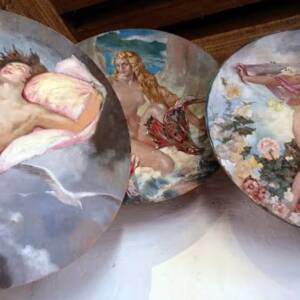
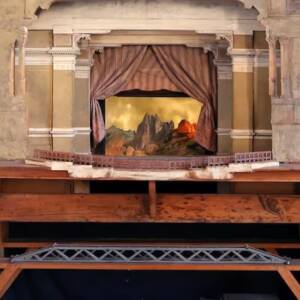
Fortuny Palace
Highlights
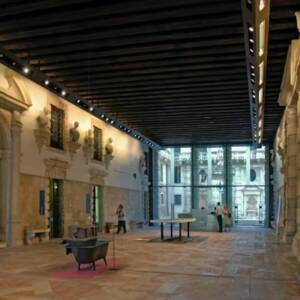
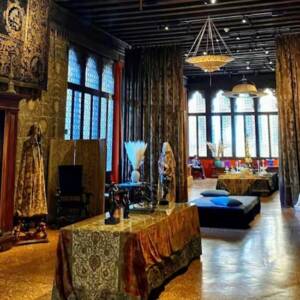
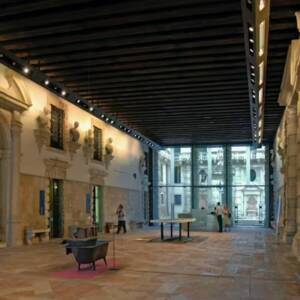
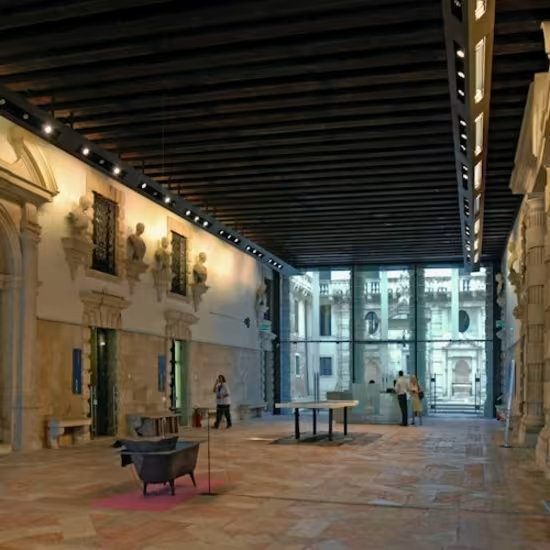
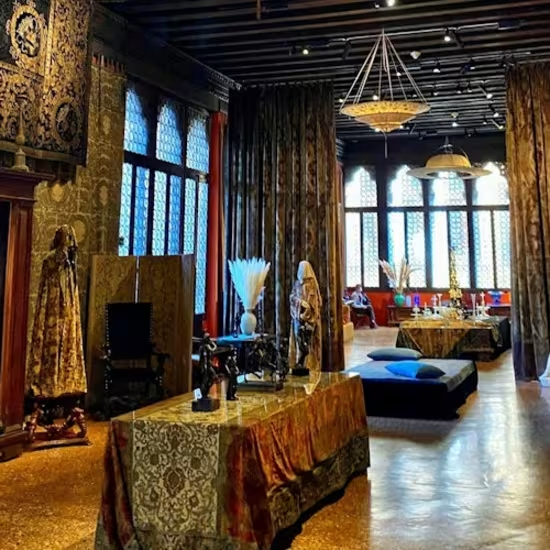
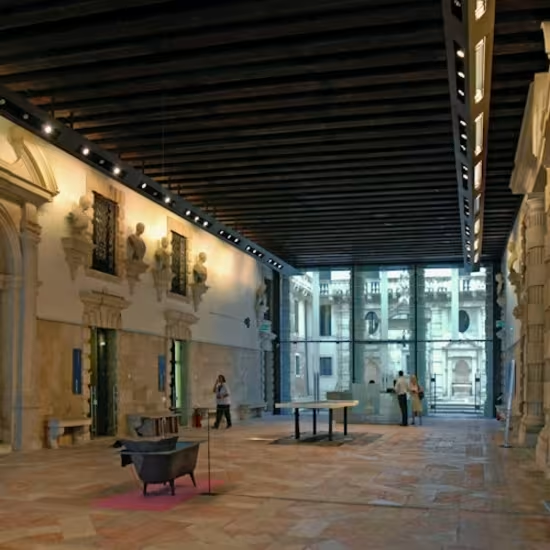
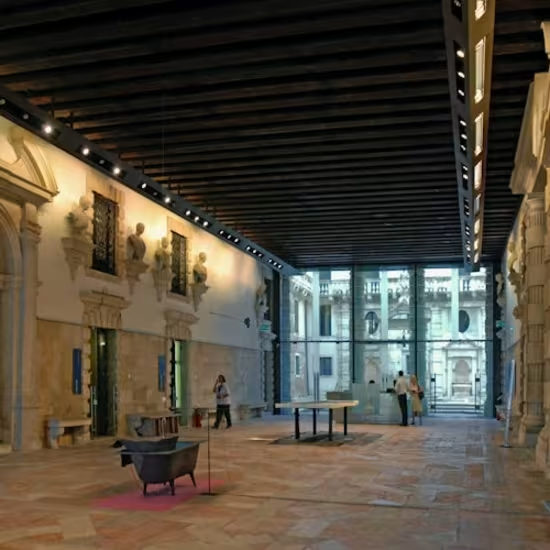
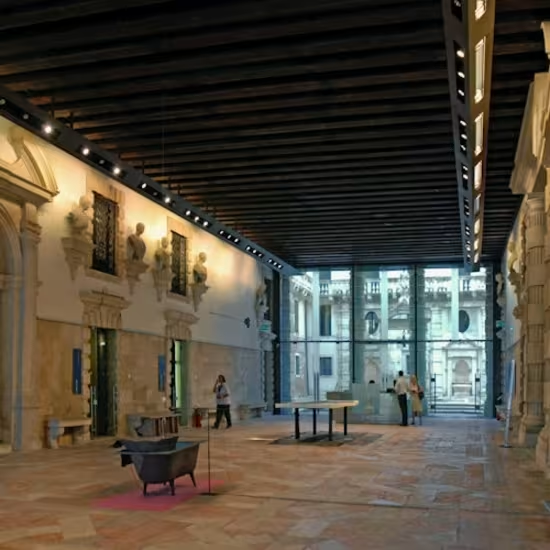
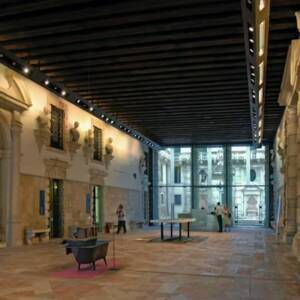
Discover the historic charm of a Venetian palace renowned for its architectural splendor.
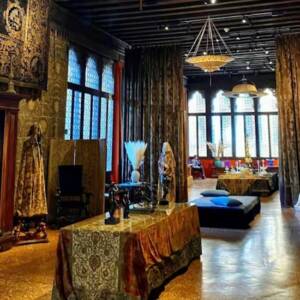
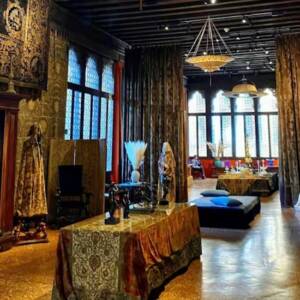
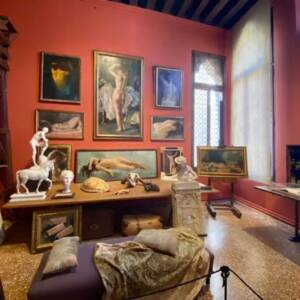
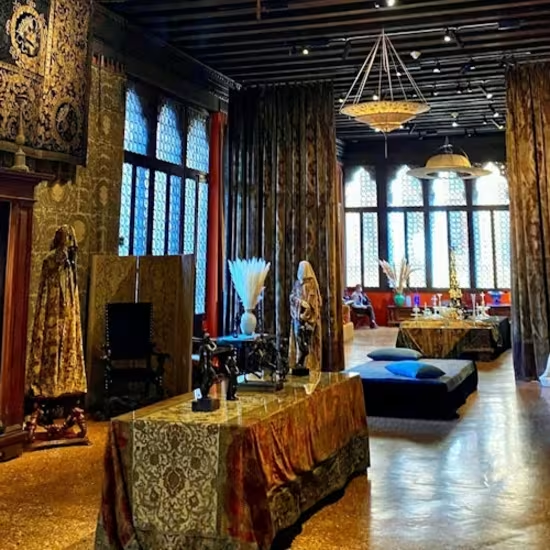
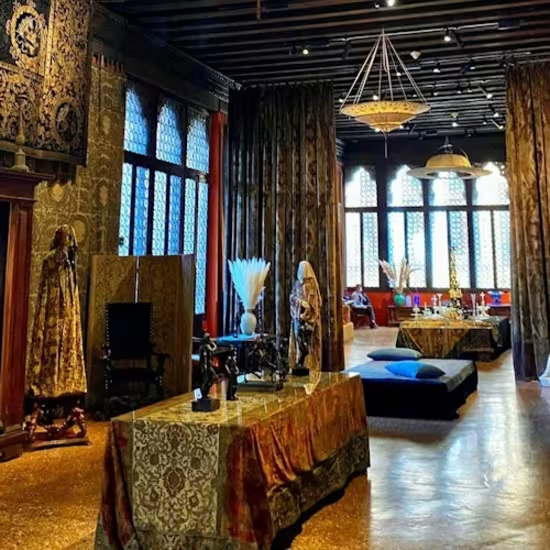
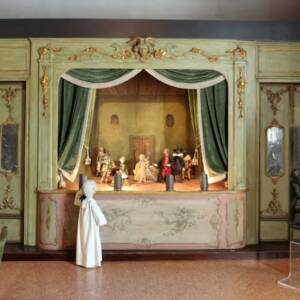
Explore an extensive collection of art, textiles, and antiques curated by the Fortuny family.
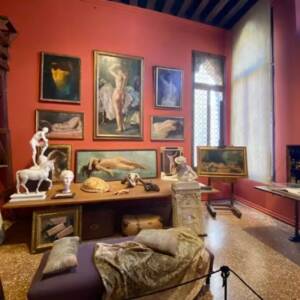
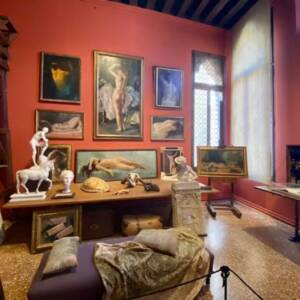
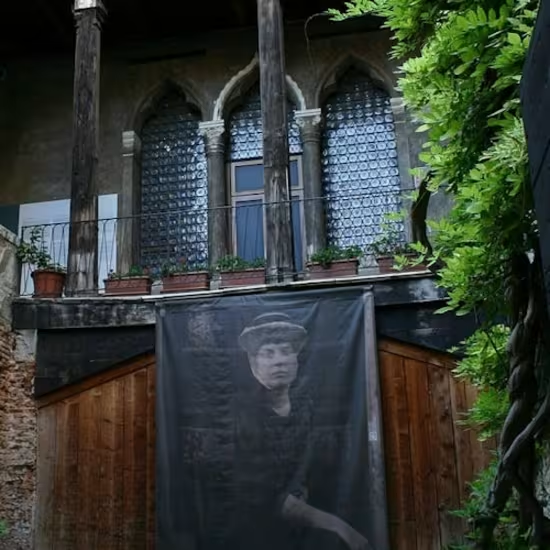
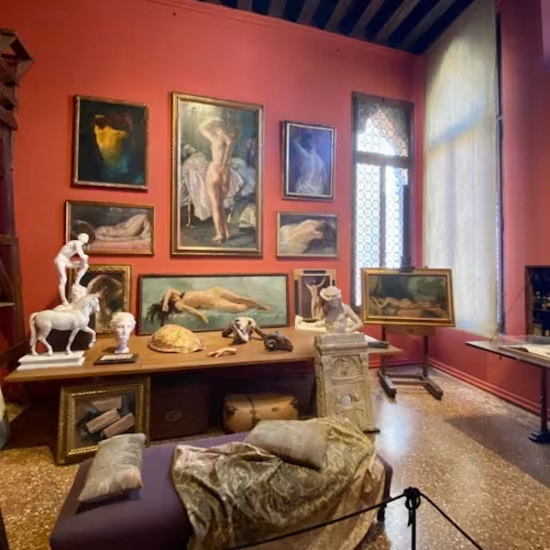
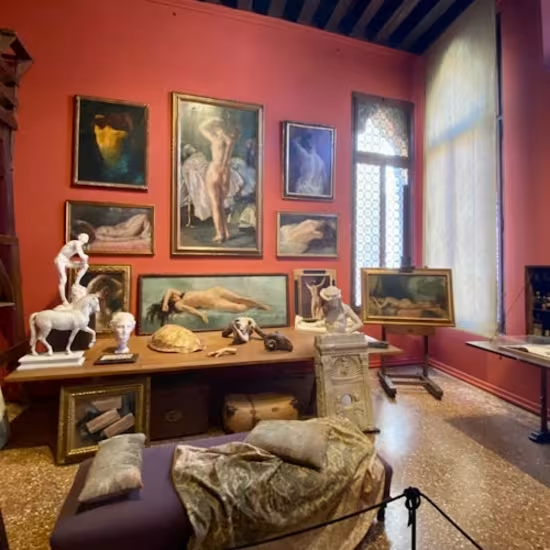
Admire unique design features like the winter garden and the artist’s studio decorated with intricate motifs.
Experience an immersion into Venice’s cultural customs and craftsmanship.
Enjoy a visit to a beautifully restored heritage site that reflects creative excellence.
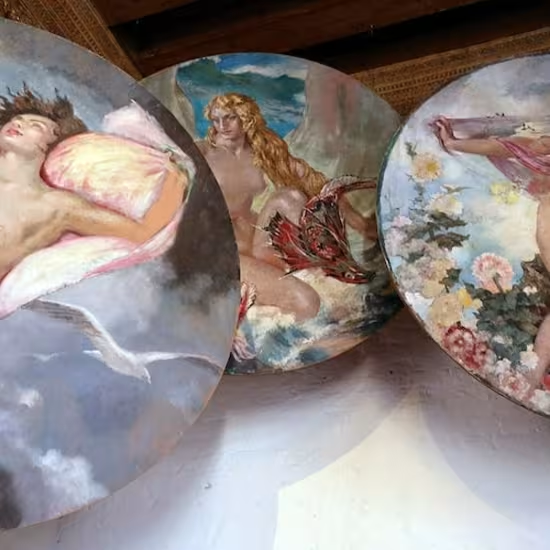
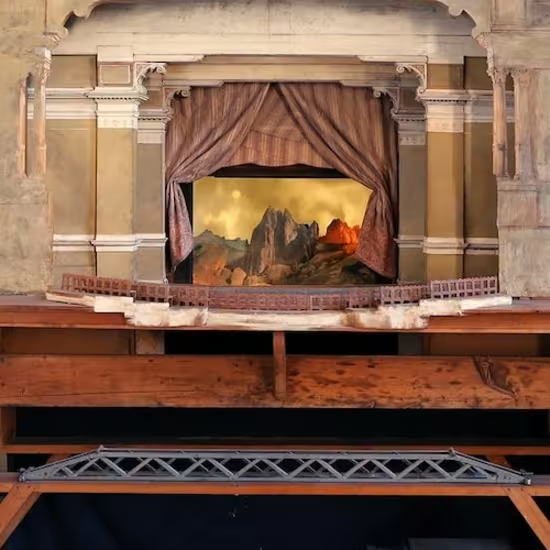
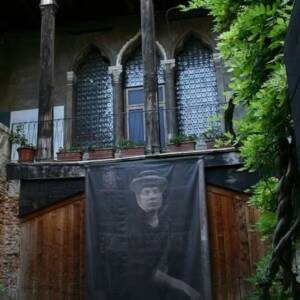
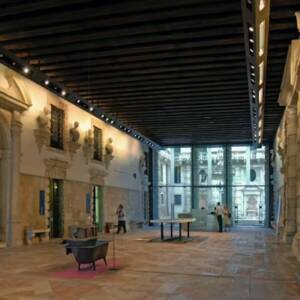
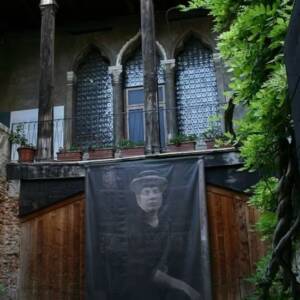
Modern and Contemporary Museums: Ca' Pesaro Palace and Fortuny Museum Combo
Highlights
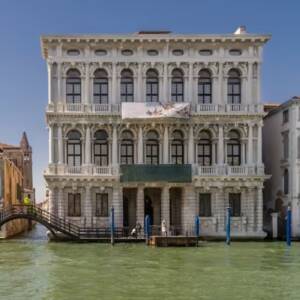
Experience the treasures of Ca’ Pesaro Museum and Fortuny Museum with a single pass.
View significant paintings that illustrate Venice’s history.
Discover diverse collections unique to each museum.
Enjoy flexible entry by redeeming your voucher at either venue.
Wheelchair accessibility is provided at both museums.
Pass for Venice museums
Highlights
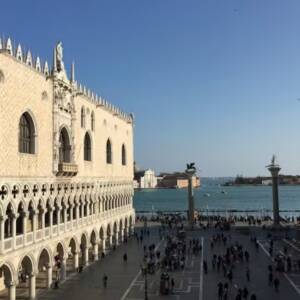
Access multiple renowned civic museums and palaces in Venice.
Skip the queues with fast-track entry benefits.
Explore exceptional art collections that illustrate Venice’s rich heritage.
Visit special exhibitions and access a digital audio guide.
Valid for three months from the booking date.
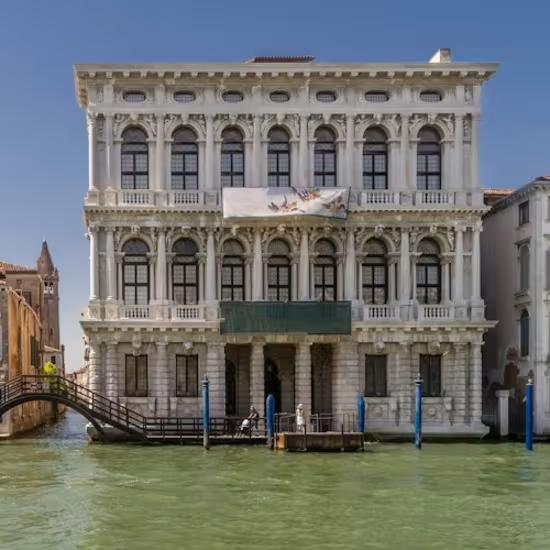
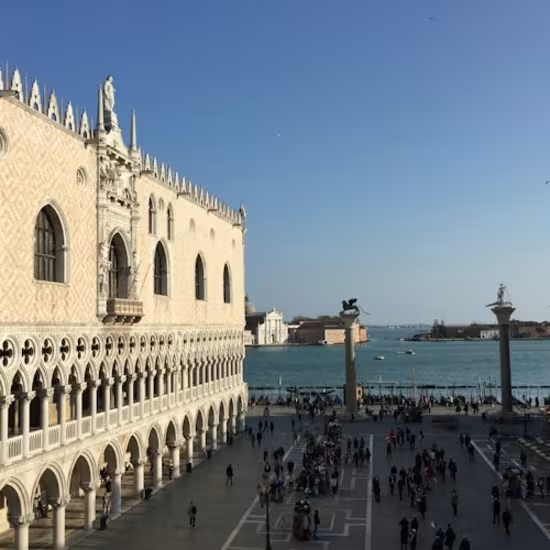
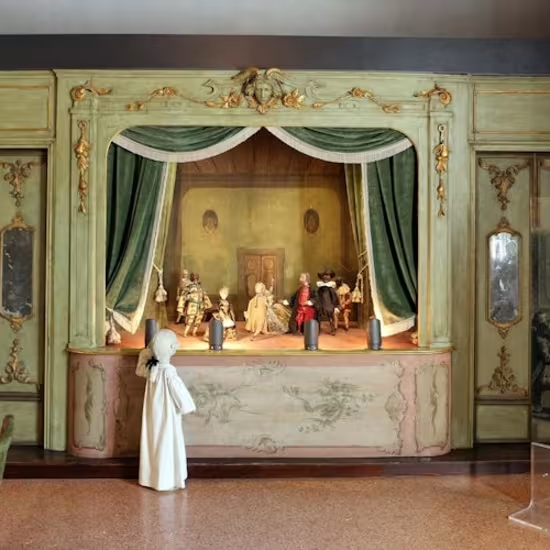
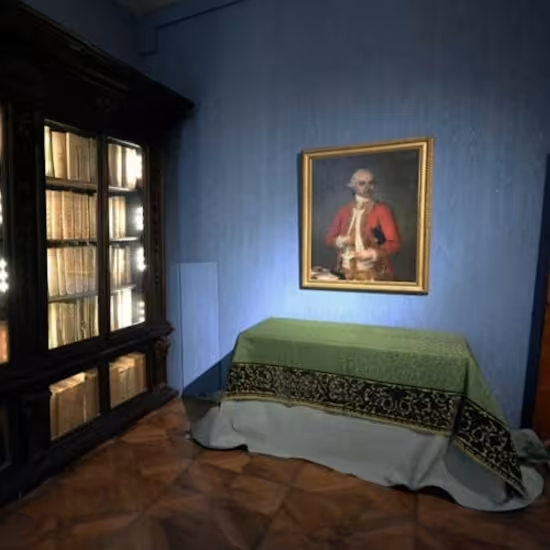
Welcome to Palazzo & Museo Fortuny
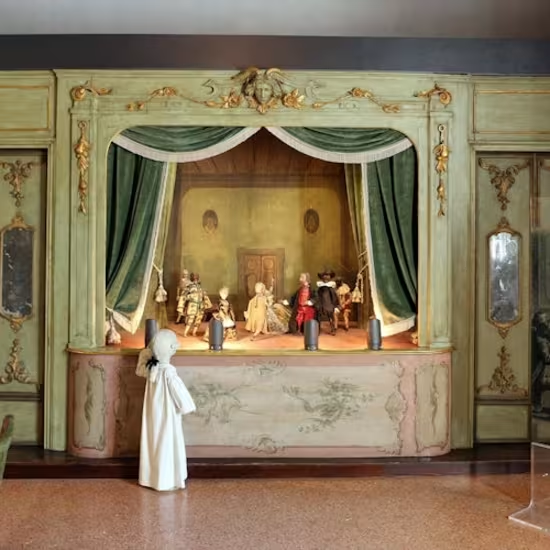
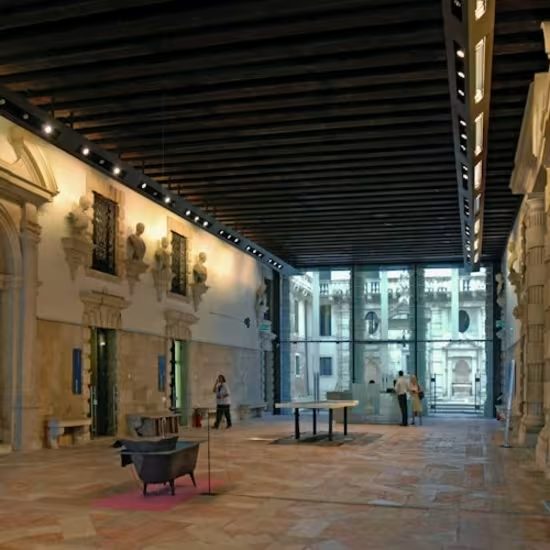
Discover everything you need for a smooth, well-planned visit — explore ticket options, view opening hours, and get practical tips for experiencing Palazzo & Museo Fortuny, all in one convenient place designed to make your Venice trip effortless.
About Museo Fortuny

Why Visit Palazzo & Museo Fortuny in Venice?

When to Visit Palazzo & Museo Fortuny?
Best Times to Visit Palazzo & Museo Fortuny
Late Morning (Around 10:00 AM – 12:00 PM)
Arriving soon after opening gives you a quieter start, especially during cooler months. You’ll have more space to appreciate the atmospheric rooms, textiles, and artworks without the mid-day crowds that often build in Venice’s popular museums.
Weekdays, Especially Wednesday Through Friday
Since the museum is closed on Tuesdays, the mid-week window from Wednesday to Friday typically offers a calmer flow of visitors. These days are ideal if you prefer a slower pace to explore the collections, exhibitions, and the palazzo’s beautifully preserved interiors.
Late Afternoon (1–2 Hours Before Last Admission)
Visiting in the later part of the afternoon often brings a softer, more intimate atmosphere. This is a great time if you want a quieter environment for admiring Fortuny’s fabrics, paintings, and studio spaces while avoiding the peak mid-day tourist traffic in Venice.
Outside Major Tourist Seasons
Venice’s high season—spring, summer, and major holidays—can bring heavier foot traffic to cultural sites. Planning your visit between November and early March offers shorter lines, easier ticket availability, and a more relaxed museum experience, especially when combined with Venice’s peacefully calm winter ambience.
During Temporary Exhibitions or Special Installations
Palazzo & Museo Fortuny frequently hosts rotating exhibitions and thematic installations that highlight Mariano Fortuny’s innovations in art, photography, and design. If you’re interested in seeing unique works on display for a limited time, planning your visit around these curated events can make your experience even richer and more memorable.
Where to Find Palazzo & Museo Fortuny?
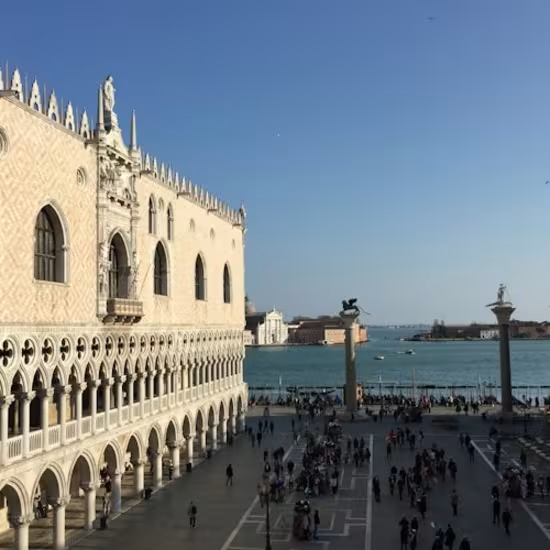
How to Get to Palazzo & Museo Fortuny, Venice
By Vaporetto (Water Bus)
The easiest way to reach the museum is by taking Vaporetto Line 1 and getting off at Sant’Angelo.
From the stop, it’s only a short walk through quiet alleyways to reach Campo San Beneto, where the museum is located.
This route works well if you’re arriving from Piazzale Roma, Venezia Santa Lucia Train Station, or other major vaporetto hubs along the Grand Canal.
On Foot
If you’re staying near San Marco, Rialto, or anywhere in the central districts, walking is often the quickest and most scenic option.
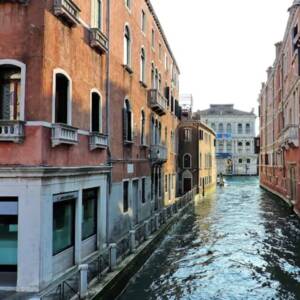
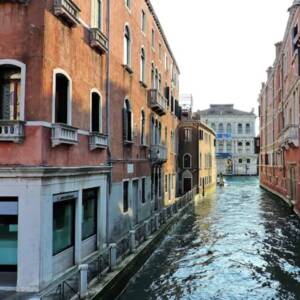
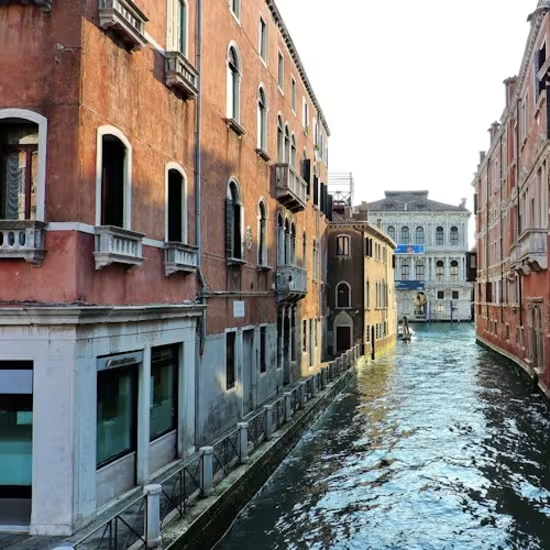
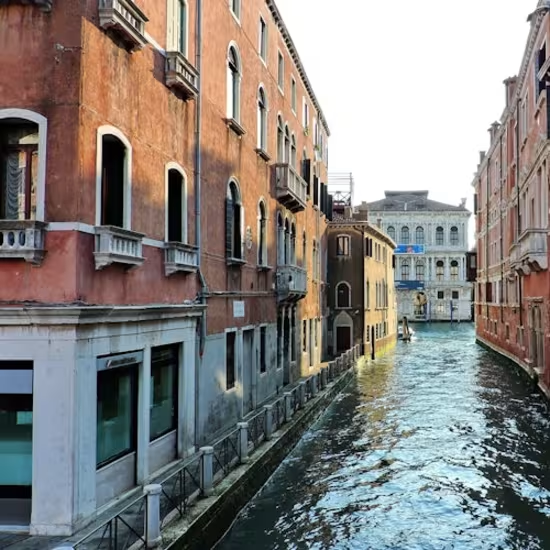
Palazzo Fortuny is tucked between narrow Venetian streets, making it easy to reach on foot while enjoying the city’s architecture and canals.
Keep an eye out for signs pointing toward Campo San Beneto along the way.
By Water Taxi
A private water taxi offers the most direct and convenient arrival, especially if you’re carrying luggage or want a faster trip.
Taxis can drop you at nearby canals, from where it’s only a brief walk to the museum.
This option is ideal for travelers coming from the airport or luxury hotels along the Grand Canal.
From the Train Station (Venezia Santa Lucia)
From the station, you can take Vaporetto Line 1 straight down the Grand Canal to Sant’Angelo.
The journey is scenic and takes you past some of Venice’s most iconic palaces before arriving near the museum.
From Piazzale Roma (Car & Bus Terminal)
Since cars cannot enter central Venice, you’ll switch to a vaporetto once you reach Piazzale Roma.
Take Line 1 to Sant’Angelo, then walk a few minutes to Campo San Beneto.
Water taxis are also available directly from Piazzale Roma for a quicker transfer.
From Marco Polo Airport
You can take the Alilaguna water-bus (Orange Line) to the San Marco or Rialto area, then walk or switch to Vaporetto Line 1.
Water taxis from the airport are the fastest option and drop you much closer to the museum’s location.
Things to Know Before Visiting Palazzo & Museo Fortuny
- Facilities
- Accessibility
- Guidelines
- Rules
Onsite Facilities

Accessibility Information

Visitor Guidelines
Rules and Regulations

Interesting Facts About Palazzo & Museo Fortuny in Venice
Home of Mariano Fortuny
The palazzo was the residence, studio, and creative laboratory of Mariano Fortuny — the legendary designer, painter, inventor, and photographer who transformed the building into a Renaissance-inspired atelier.
A Rare Gothic Palazzo in Venice
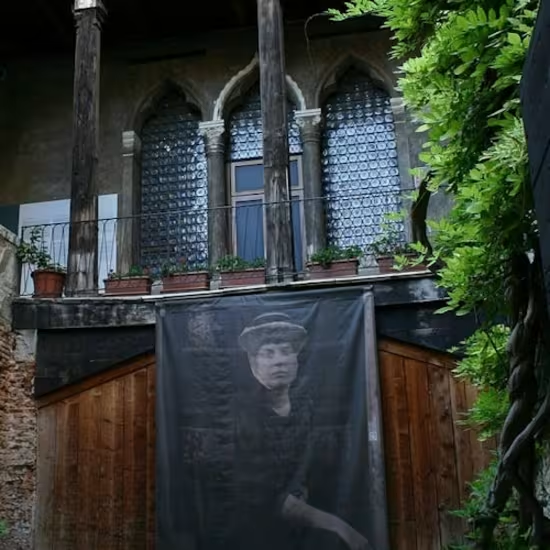
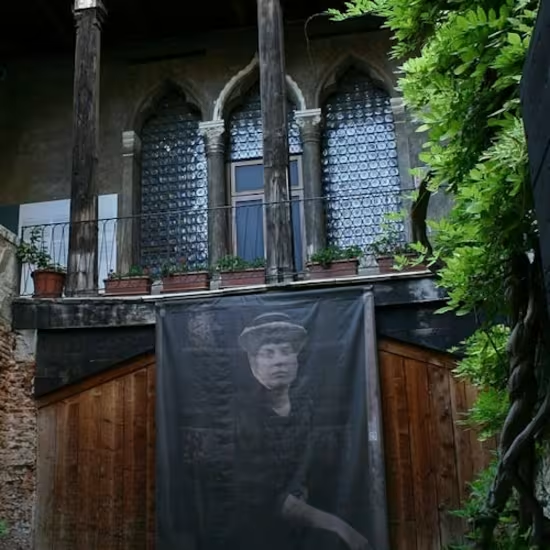
The building is one of the finest surviving examples of Venetian Gothic architecture, featuring ornate windows, pointed arches, and original 15th-century interiors.
Birthplace of the Iconic Delphos Gown
Inside this palazzo, Fortuny created the world-famous Delphos gown, a finely pleated silk dress inspired by ancient Greek fashion — still considered a masterpiece of textile design.
A House of Experiments
Fortuny used the palazzo as a multifunctional creative lab where he developed experiments in lighting design, stagecraft, photography, dye techniques, and fabric printing.
Fortuny’s Patented Lighting System
He invented a revolutionary stage-lighting system and dome design that influenced modern theatre lighting. Many prototypes and equipment pieces are still displayed in the museum.
A Museum Frozen in Time
Many rooms remain almost exactly as Fortuny left them — filled with fabrics, artworks, books, tools, and personal objects — giving visitors the feeling of stepping into an artist’s mind.
A Treasure Trove of Textiles
The museum houses rare examples of Fortuny’s hand-printed fabrics, including original tools, blocks, dyes, and early textile prototypes.
A Rare Blend of Cultures
Fortuny drew inspiration from Islamic, Renaissance, and Byzantine art, merging Eastern and Western influences in his designs — a fusion reflected throughout the palazzo.
A Creative Meeting Hub
During his lifetime, the palazzo hosted musicians, writers, and artists from across Europe. It was considered a cultural salon, where creative minds exchanged ideas.
Owned by the City of Venice
Fortuny’s widow donated the palazzo and its entire collection to the City of Venice, ensuring his artistic legacy would be preserved and accessible to the public.
Image Gallery Title
 English
  Italiano
  Français
  Deutsch
  Español
  Português